By David Lamb
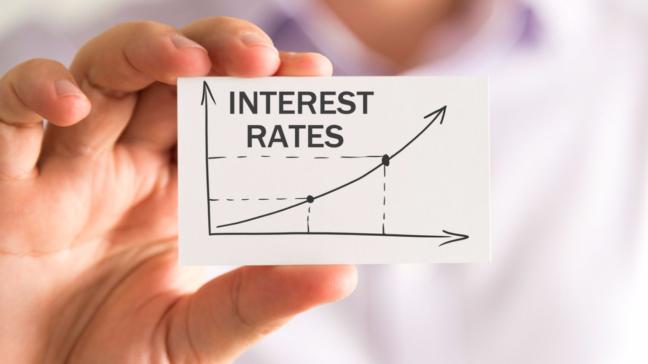
Many people are hoping interest rates will increase, but a rise in interest rates could adversely affect your wealth.
Normally I prefer to focus my blogs on using your money to support your lifestyle but as we are living through exceptional times I thought it appropriate to make an exception.
In the first three months of last year, the UK economy suffered its biggest slump on record, shrinking by 20.4%. Factory and construction output fell, and household spending plummeted. This was probably only to be expected because the country and economy were effectively ordered to shut down, resulting in the first recession since 2009.
In November, the Office for Budget Responsibility (OBR) estimated that government borrowing for the current tax year could be around £394bn. That is the highest government borrowing in peacetime. Before Covid, expected government borrowing was estimated to be £55bn.
Eventually, when the world gets back to some level of normality, the economy will recover. But because of this eye watering government borrowing, there must be longer term consequences to the economy; predominantly return of inflation.
There are two main causes of inflation; demand pull inflation and cost push inflation.
Demand pull inflation is caused when demand grows faster than supply. Cost push inflation is caused when the cost of providing goods and services increases.
There is potential for an increase in demand pull inflation for many reasons. For example, many people due to lockdowns have not been able to spend money. Whilst many people have struggled financially due to Covid, a lot have actually saved money by not having to spend money on travelling to work, being able to browse in the shops or book holidays (my fuel costs have plummeted!)
When eventually we return to normal, I think it is safe to say we can expect a lot of money to be spent. Obviously, there will be many unfortunate people who have lost their jobs due to Covid and this will also have an effect.
Government expenditure can also increase demand pull inflation because this increases the amount of money in the economy. If people have more money, the demand for goods and services will increase. As excess demand oversupply occurs, inflation will increase. Think about how much money the Government has pumped into the economy.
When their income is less than it is spending, governments may resort to printing more money, known as deficit financing. Longer term, this strategy will be inflationary because the amount of money in circulation increases but the total goods and services available in the country remain the same.
Many economists argue that there is a close link between supply of money and inflation and therefore controlling the money supply can control inflation.
When interest rates are low, like they are now, money is cheaper to borrow and when this happens the economy grows (obviously the lockdowns are currently preventing this, but they will not last for ever). To slow the economy down, interest rates can be increased to take money out of the economy and therefore reduce inflation.
An interesting article about this can be read here:
We have many clients who are concerned that low interest rates mean that they are getting poor returns on the money they hold in deposit accounts (although this may not be strictly true – see my blog on our Facebook page dated 8 January 2021). If inflation increases, it is highly likely that interest rates will rise and many think that rising interest rates, whilst may not be good for borrowers such as those with mortgages, is a good thing.
Be careful what you wish for
Many people have money invested in fixed interest securities within their investment portfolios because they can provide a steady interest income to investors throughout the life of the bond, whilst reducing the overall risk of an investment portfolio because of their general low volatility.
These investments provide a format for governments and companies to borrow money. The Government borrows money via gilts or gilt-edged securities; companies issue corporate bonds.
The following is a very simple explanation as to how these investments operate.
Rishi (Sunak, the Chancellor of the Exchequer) asks to borrow £100 from me over the next 10 years. In return, he will pay me £1 every year over that term. This is a good investment for me because it is more than I could currently get with a bank or building society and in ten-year years there is a very high chance that I will get my money back because it is guaranteed by the Government.
Let us now assume that I want my £100 back in five years. I go back to Rishi (if he is still there!) and ask for my £100 back. Unfortunately, he says sorry you must wait another five years. I really need my £100 so say to my wife if you give me £100 for this investment you will get £1 every year from the Government and then they will give you your £100 back.
My wife (who is far stricter with money than I am) says ‘sorry, interest rates are now 2%. I am not going to give you £100 to get £1 back every year when I could be getting £2 elsewhere, but if you are really keen to get some of the money back, I will give you £50; I will get my 2% interest and you will get some money back in your hand’.
That is the risk with fixed interest securities. If interest rates go up, the capital value of your investment can go down.
If I needed my money in nine years, and my wife offers me £50 I can say but you will get £100 next year so why don’t you give me £95, you will get another £1 and then £100 at the end of the 10 years.
The closer you get to the redemption date, the less volatile the capital value.
If a large company approached me and said ‘you have just lent the Government £100 for a return of 1% per year, will you do the same for us?’ my response would be ‘you are a FTSE 100 company so you are big, but not as big as the Government and therefore there is more risk; you may not be around in ten years to repay me my money. If there is more risk, I want a higher return and therefore you pay me 2% per annum’.
The smaller the borrower, or the less financially secure, the bigger the risk, the higher the interest rate should be.
There is another interesting article on fixed interest securities at:
So, in summary, at some point the economy will recover and inflation will increase (possibly quite rapidly due to the huge amounts of money the Government has been pumping into the economy), which will increase interest rates.
If interest rates increase this may seem good for people with money in deposit accounts (although, after inflation, their money may be going down in real terms) and this may have a negative effect on the capital value of fixed interest securities which many portfolios hold to help reduce volatility.
Take action!
We strongly recommend that you review your investment portfolios (including your pensions) to determine how much fixed interest your portfolios hold and seek advice as to how you can minimise the threat to your wealth if inflation and interest rates increase in the capital value of your fixed interest investments falls.
Lamb Financial is here to help.
The information contained in this article is provided for information purposes only and is based on the opinion of Lamb Financial and does not constitute financial advice or a suggestion of a suitable investment strategy. You should seek independent financial advice in regard to your own personal circumstances before embarking on any course of action.
Lamb Financial is a trading style of Lamb and Associates Independent Financial Planning Ltd is authorised and regulated by the Financial Conduct Authority. FCA number 782092.